Lemon Lavender Cake Recipe
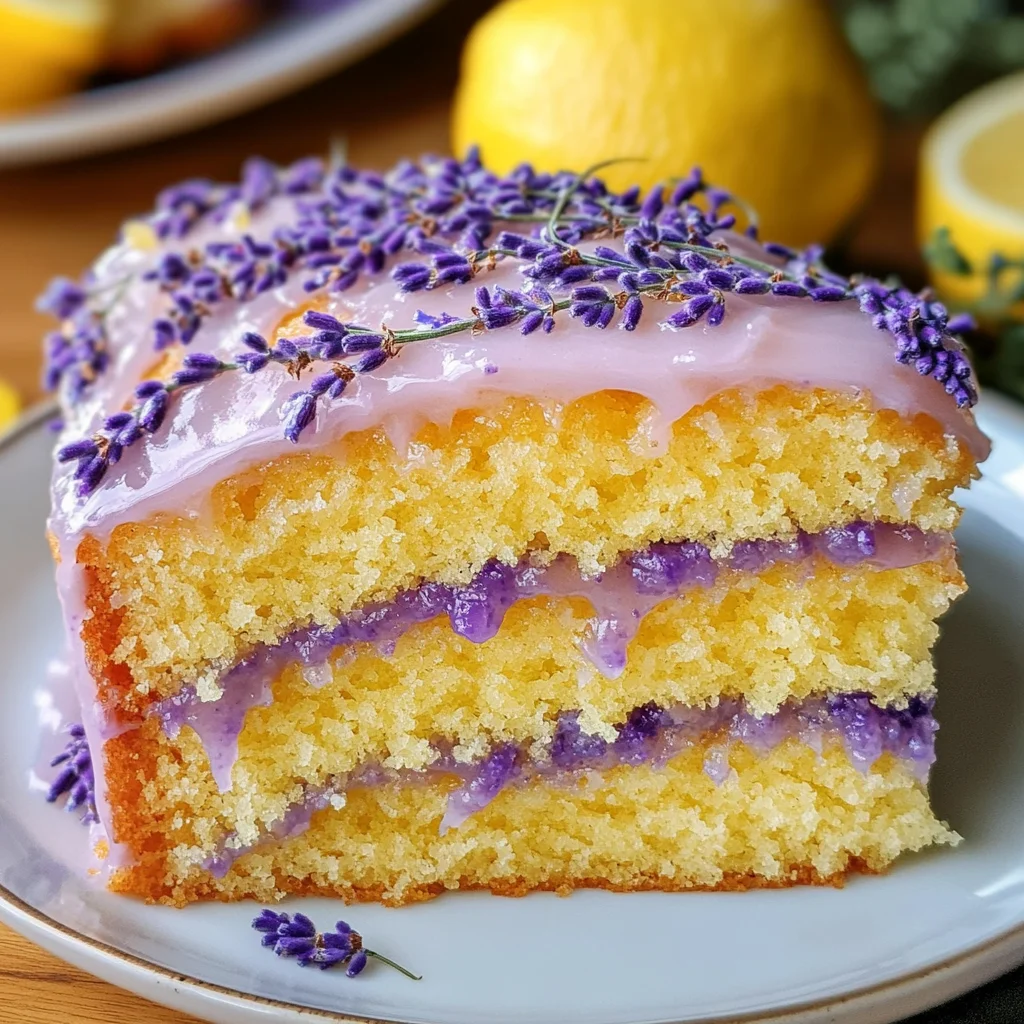
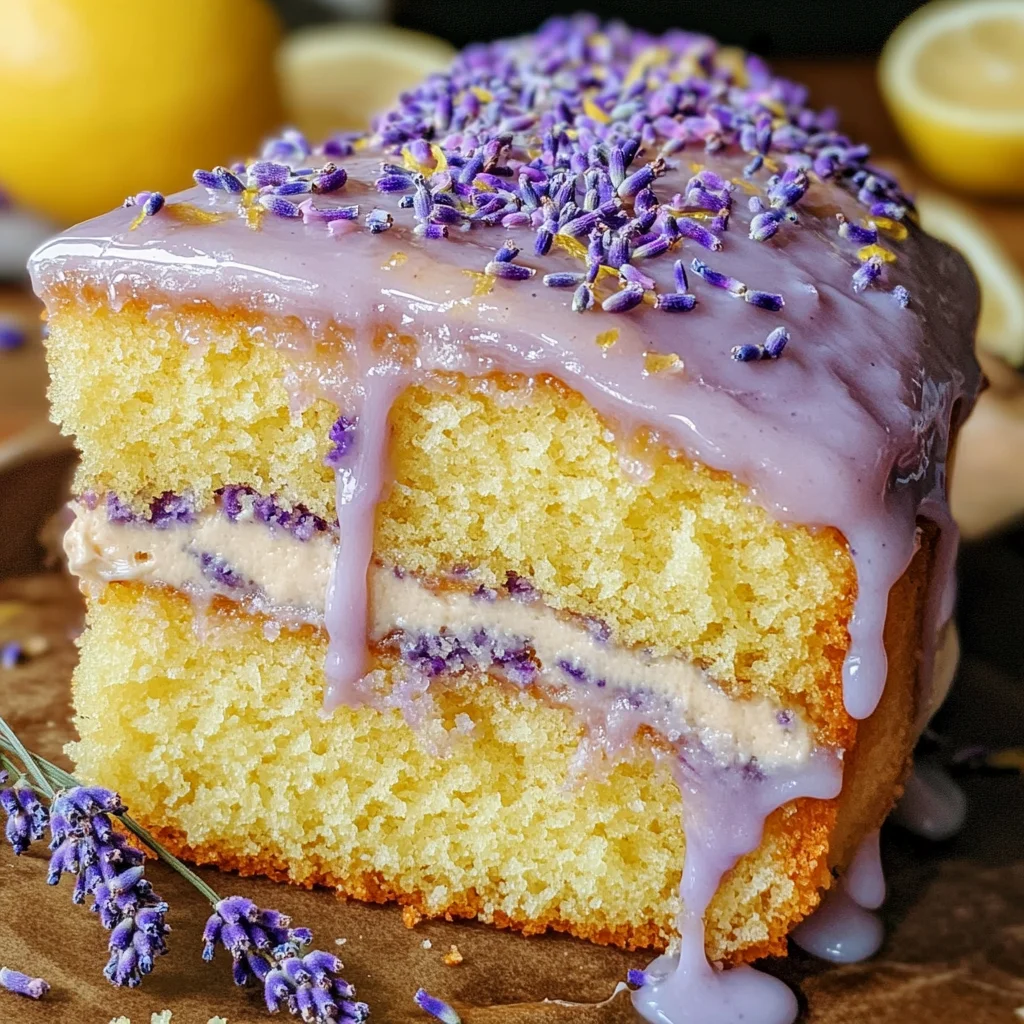
There’s something truly magical about a cake that marries the bright, sunny zest of lemon with the delicate floral notes of lavender. This Lemon Lavender Cake Recipe is more than just a dessert; it’s a fragrant reminder of summer afternoons spent in sun-drenched gardens, where the air is filled with sweet aromas and laughter. Each slice is like a little piece of sunshine, bursting with flavor and an uplifting spirit that begs to be shared. The moment you take a bite, you’re greeted with a symphony of flavors that dance on your palate—zesty lemon cutting through the soothing essence of lavender, creating an experience that’s both refreshing and profoundly satisfying.
As we embark on this culinary adventure together, I want you to know that this recipe has been a cherished tradition in my kitchen for years. It’s one I turn to when I want to impress friends at tea time or simply indulge in something special at breakfast. The process itself is infused with warmth and love—a beautiful journey where each ingredient plays its part in crafting something extraordinary. I promise you, whether you’re sharing it with loved ones or savoring it solo while sipping your morning coffee, this cake will leave you feeling utterly enchanted. And trust me on this: once you experience the delightful aroma wafting through your kitchen as it bakes, you’ll understand why this Lemon Lavender Cake holds such a special place in my heart.
Lemon Lavender Cake Recipe: A Slice of Sunshine
Welcome to the wonderful world of baking! Today, we’re diving into the art of creating a moist and fragrant Lemon Lavender Cake that will transport you to a serene summer day with every bite. This cake is perfect for any occasion—be it breakfast, afternoon tea, or dessert after dinner. Its light texture and vibrant flavors make it an absolute delight, and I can’t wait for you to try making it!
Ingredients:
As we gather our ingredients for this enchanting Lemon Lavender Cake Recipe, let’s take a moment to appreciate each component that brings this creation to life. Every ingredient matters here; they don’t just serve their purpose—they contribute to the overall experience and joy this cake delivers.
- 1 cup / 200 g / 7 oz granulated sugar. This sugar isn’t just for sweetness; it plays an integral role in creating that tender crumb we all love in baked goods. When combined with the butter during creaming, sugar helps incorporate air into the batter, which results in a light and fluffy texture. Always opt for fine granulated sugar—it dissolves better and gives you that beautiful even sweetness throughout the cake.
- 2 tbsp lemon zest. Ah, zest—the aromatic powerhouse! It elevates our Lemon Lavender Cake by infusing vibrant citrus notes right into the batter. The key here is to use fresh lemons; their essential oils are what give our cake its fresh flavor profile. Just remember not to zest too deeply; we want just the bright yellow outer layer without any of the bitter white pith underneath.
- 3 tbsp culinary lavender. This ingredient is what turns our delightful cake into something truly special! Culinary lavender offers subtle floral notes that complement the lemon beautifully—think of it as adding another layer of complexity to your flavor profile. Be sure to use culinary-grade lavender from reputable sources; garden varieties may not be safe for consumption.
- 3/4 cup /170 g / 6 oz salted butter, room temperature. Butter is crucial here; it’s responsible for richness as well as contributing moisture and flavor. Using salted butter adds depth because it balances out sweetness while enhancing all those lovely flavors we’re building up in our batter. Make sure your butter is at room temperature—it should be soft enough that you can easily press your finger into it without resistance.
- 3 large eggs, room temperature. Eggs are essential for structure in baking but also add moisture and richness. Room temperature eggs blend more seamlessly into the batter than cold ones do, helping create an emulsion that traps air during mixing—this is vital for achieving that lovely rise in your cake.
- 3 tbsp lemon juice. Freshly squeezed lemon juice will bring brightness and acidity that enhances all other flavors in our cake while keeping things moist without being overly dense or heavy. You can substitute lime juice if you’re feeling adventurous!
- 2 cups / 240 g / 9.5 oz all-purpose flour. Flour forms the backbone of any baked good by providing structure through gluten development when mixed with liquid ingredients. For this recipe, all-purpose flour is perfect because it strikes a balance between tenderness and strength—too much protein could lead to a tough texture instead of lightness.
- 1 tsp baking powder. Baking powder acts as our leavening agent here—it’s absolutely paramount if we want our cake to rise perfectly! This chemical leavener works by releasing carbon dioxide gases when mixed with moisture and heat, leading to those beautiful airy pockets inside our loaf.
- 1/2 cup / 120 ml / 4 fl oz whole milk, room temperature. Milk adds moisture while enriching our batter; using whole milk ensures creaminess compared to lower fat options like skim or almond milk (although those could work too!). Again, bringing it to room temperature helps integrate everything smoothly.
- 1 1/2 cups / 180 g powdered (confectioners’/icing) sugar, sifted. We need this sweet dusting for our glaze! Sifting ensures there are no lumps so that we achieve that silky-smooth consistency we desire when pouring over our cooled cake later on.
- 3 to 4 tbsp whole milk (for glaze). Just like before, this milk integrates beautifully into our icing without overpowering its delicate sweetness—start with less if you’re unsure about thickness!
- 1/2 tsp lavender extract adds another layer of floral fragrance that ties everything together beautifully! It’s non-negotiable if you’re looking for depth without having more dried flowers competing visually or texturally within frosting!
- 2 to 3 drops purple food coloring optional but recommended if you want your glaze resembling spring blooms! A little goes a long way—not only does color entice us visually; think about how enticingly inviting vibrant hues can feel on special occasions!
Equipment You’ll Need:
Having the right tools makes baking enjoyable and less stressful—it allows us creative freedom while ensuring consistent results every time! Each piece of equipment serves its purpose in turning simple ingredients into something magical.
- 9×5-inch loaf pan – A sturdy loaf pan is essential here as it’ll help shape our gorgeous cake while providing even baking thanks to its thick walls that prevent hot spots from forming during cooking time!
- Parchment paper – Using parchment paper ensures easy release after baking so you don’t lose any precious crumbs when removing your creation from its mold! It’s always worth investing in quality parchment instead of relying solely on greasing methods alone!
- Mixing bowls (various sizes) – You’ll need several sizes: one large bowl for creaming butter/sugar mixture plus smaller bowls for whisking dry ingredients separately beforehand! Mixing bowls allow us flexibility based on batch sizes while keeping things organized along each step!
- Electric mixer (stand or hand-held) – While manual mixing can work wonders too—an electric mixer saves time & energy especially needed when incorporating cold butter into fluffy goodness quickly!
- Rubber spatula – A flexible rubber spatula helps scrape down sides effectively ensuring nothing gets left behind & guarantees proper blending throughout!
Now that we’ve gathered everything we’ll need let’s dive into preparing this delightful Lemon Lavender Cake Recipe step-by-step! Each action builds upon itself—a carefully crafted symphony culminating at last towards deliciousness awaiting us eagerly ahead…
Step 1: Prepare Your Oven & Pan
First things first: preheat your oven to 350°F (180°C). Preheating is crucial because it ensures even cooking right from start—if you put your batter into an unheated oven it’ll lead uneven rising resulting perhaps in collapse later on! While that’s happening prepare your loaf pan by greasing its bottom/sides generously then lining them with parchment paper allowing edges hang over slightly outside edges—this makes removal effortless once baked whilst ensuring no stickiness occurs either way around!
Step 2: Whisk Together Your Dry Ingredients
In a medium-sized mixing bowl whisk together two vital components—the flour and baking powder—to ensure they’re evenly distributed throughout batter later down line during incorporation phase! Take care not rush through as proper aeration happens naturally via whisking motion allowing maximum fluffiness achieved upon completion once baked properly later on…
Step 3: Create Your Infused Sugar Mixture
Now let’s make magic happen by combining granulated sugar along freshly zested lemons/lavender buds inside large mixing bowl!! Rub them together vigorously using fingers until fragrant oils release themselves suffusing entire mixture giving off an intoxicating aroma… This process creates what’s known as “flavored sugar” which elevates taste levels dramatically throughout final product—trust me—you won’t regret spending extra few minutes doing so right now!!
Step 4: Cream Together Butter & Flavored Sugar
It’s time now introduce softened salted butter directly into aforementioned flavored-sugar blend gently beating using electric mixer set medium speed until light/creamy consistency forms after about two-three minutes max… Remember patience here pays off dividends down line since incorporating air bubbles effectively leads towards lighter-textured end result upon completion baking cycle later down road!!
With these foundational steps laid out before us let’s continue unveiling further intricacies involved getting closer towards successfully executing this dreamy recipe together soon enough… Stay tuned!
Step 5: Incorporating the Eggs – The Heart of the Batter
Now we’re entering a pivotal moment in our Lemon Lavender Cake Recipe! After creaming that luscious butter and fragrant lavender sugar until it’s light and fluffy, it’s time to introduce our eggs. This step is crucial because eggs not only provide moisture but also contribute to the cake’s structure and richness. As you add each egg, crack it into a small bowl first—this ensures that you can rescue your batter from any unexpected shell bits (trust me, no one wants that!). With the mixer set to medium speed, incorporate each egg one at a time, allowing them to blend fully before adding the next. This gradual introduction is essential; it creates a stable emulsion, which means your cake will rise beautifully and have that dreamy texture we all crave.
As you mix, don’t forget to scrape down the sides of your bowl with a rubber spatula. This little action ensures that every bit of batter is well combined and prevents any dry pockets from lurking in your glorious mixture. After adding the eggs, pour in the fresh lemon juice; its acidity helps to tenderize the cake while amplifying that zesty flavor we adore. Trust me when I say this is when your kitchen will start smelling utterly intoxicating—like a sun-drenched garden bursting with citrus blossoms!
Step 6: Creating the Batter – The Dance of Flavors
With our eggs artfully incorporated, it’s time to create the batter—a process that feels like an exciting dance between dry and wet ingredients. Start by taking half of your flour mixture and gently folding it into the luscious egg-butter-sugar blend using a spatula. You want to be gentle here; over-mixing can lead to a dense cake instead of the light sponge we’re aiming for. As you fold in the flour, watch how it absorbs moisture like a sponge—it’s truly mesmerizing!
Next, pour in your room-temperature milk, which adds moisture and richness that makes our cake so incredibly moist. Then comes the final act: adding in the remaining flour mixture. At this point, you’ll notice that as you combine everything together, those streaks of flour disappear like magic! The goal here is to mix until just combined; don’t rush this step because ensuring all ingredients are well-incorporated without overworking them is absolutely paramount for achieving that perfect texture. When you’re done mixing, you should see a smooth batter that’s thick yet pourable—a true testament to what’s about to unfold in your oven.
Step 7: Filling Your Loaf Pan – Preparing for Baking Bliss
Now comes another exciting part of our Lemon Lavender Cake Recipe: filling up our prepared loaf pan! Carefully pour that beautiful batter into your greased and lined pan—be generous but also take care not to splatter (though I promise no one will judge if you do). Use a spatula to spread it evenly across the bottom; this ensures even baking and contributes to that lovely golden-brown crust we’re all after.
You might be wondering why we choose a loaf pan over other baking dishes—well, this shape allows for an ideal bake where heat circulates evenly around all sides of our cake. It’s also easier for slicing later on! Before popping it into the oven, give it a gentle tap on your countertop; this helps eliminate any air bubbles trapped inside—an essential trick for achieving that beautifully even crumb throughout your cake.
Step 8: Baking – The Transformation Begins
Ah, now we arrive at perhaps one of my favorite moments—the actual baking! Slide your filled loaf pan into that preheated oven set at 350°F (180°C) and prepare yourself for some mouthwatering aromas wafting through your kitchen! Your cake needs about 50-60 minutes in this warm haven where science meets artistry—a delicate alchemy transforming raw batter into something profoundly satisfying.
Keep an eye on it as it bakes; you’ll know it’s ready when you see its top turn a stunning golden brown hue—a sign of caramelization taking place on top! To test doneness without ruining all your hard work, use a skewer or toothpick inserted into the center; it should come out clean or with just a few moist crumbs clinging to it (but no liquid batter—that’s an absolute non-negotiable). If you find yourself peeking too often (which I totally understand!), remember not to open the oven door prematurely as this can disrupt rising.
Once those tantalizing scents reach their peak and you’ve confirmed it’s baked through perfectly, carefully remove it from the oven and let it cool in its pan for about 15 minutes. This cooling phase allows the steam inside to settle while still maintaining moisture—your patience during this step will reward you with a tender crumb!
Conclusion:
As we wrap up our journey through this enchanting Lemon Lavender Cake Recipe, I can’t help but feel warm-hearted excitement buzzing within me. Baking this cake isn’t just about following steps; it’s about creating something truly magical—a symphony of flavors where zesty lemon meets delicate lavender in perfect harmony. Each bite is not only moist and fluffy but also infused with love and passion that you poured into making it. It’s these key combinations—the bright citrus notes paired with floral undertones—that elevate this delightful creation beyond the ordinary.
This recipe is an absolute must-try—not merely for its taste but for the sheer joy of baking it yourself! Imagine pulling this beautiful loaf from your oven; the aroma wafting through your kitchen will instantly transport you to sunlit fields filled with blooming lavender. Whether you’re serving it at brunch with friends or enjoying a quiet afternoon tea alone, this cake perfectly fits any occasion where you want to share happiness or indulge yourself with something special.
For serving suggestions that will take your experience over the top—imagine savoring one slice alongside a velvety cup of chamomile tea or pairing it with fresh summer berries drizzled with honey. The contrast between sweetness and brightness will dance on your palate! For an afternoon pick-me-up after work or as part of a delightful dessert spread at gatherings, this cake shines brightly every time.
Feeling adventurous? This recipe is wonderfully adaptable! You could swap out lavender for other herbs like rosemary or thyme if you’re craving an herbaceous twist. Or why not add blueberries or raspberries into the batter for an extra burst of flavor? Each adaptation adds a new layer of excitement to this beloved recipe. So go ahead—experiment with variations that spark your creativity! I can’t wait to hear about your experiences and see how you make this recipe uniquely yours!
Lemon Lavender Cake

Indulge in the delightful flavors of summer with this Lemon Lavender Cake Recipe, a perfect balance of zesty lemon and aromatic lavender. Each slice is a fragrant homage to sunny afternoons spent in blooming gardens, offering a light and fluffy texture that’s ideal for breakfast, tea time, or dessert. The cake is infused with fresh lemon juice and zest, complemented by the soothing floral notes of culinary lavender. This enchanting treat is not just a cake; it’s an experience that brings warmth and joy to any occasion. Whether shared with loved ones or savored during quiet moments, this cake promises to brighten your day!
- Prep Time: 20 minutes
- Cook Time: 60 minutes
- Total Time: 1 hour 20 minutes
- Yield: Serves approximately 12 slices 1x
- Category: Dessert
- Method: Baking
- Cuisine: American
Ingredients
- 1 cup granulated sugar
- 2 tbsp lemon zest
- 3 tbsp culinary lavender
- 3/4 cup salted butter (room temperature)
- 3 large eggs (room temperature)
- 3 tbsp fresh lemon juice
- 2 cups all-purpose flour
- 1 tsp baking powder
- 1/2 cup whole milk (room temperature)
- 1 1/2 cups powdered sugar (for glaze)
- 3–4 tbsp whole milk (for glaze)
- 1/2 tsp lavender extract
Instructions
- Preheat your oven to 350°F (180°C). Grease a 9×5-inch loaf pan and line it with parchment paper.
- In a medium bowl, whisk together flour and baking powder; set aside.
- Combine granulated sugar, lemon zest, and culinary lavender in a large bowl, rubbing them together until fragrant.
- Cream softened butter into the flavored sugar mixture until light and fluffy. Gradually add eggs one at a time, mixing well after each addition. Stir in fresh lemon juice.
- Alternately fold in the dry flour mixture and whole milk into the batter until just combined.
- Pour batter into the prepared loaf pan and bake for 50–60 minutes or until a toothpick comes out clean.
- Allow cooling in the pan for about 15 minutes before transferring to a wire rack.
Nutrition
- Serving Size: 1 slice (90g)
- Calories: 280
- Sugar: 25g
- Sodium: 150mg
- Fat: 10g
- Saturated Fat: 6g
- Unsaturated Fat: 4g
- Trans Fat: 0g
- Carbohydrates: 45g
- Fiber: <1g
- Protein: 4g
- Cholesterol: 40mg