How to make Green Seasoning
There’s something utterly enchanting about the act of cooking, isn’t there? It’s like creating a little piece of magic in your kitchen. Today, I want to share with you a beloved recipe that goes beyond mere sustenance—this is an experience, a vibrant expression of culture and flavor that brings the heart of Trinidad and Tobago right into your home. We’re diving deep into the world of how to make green seasoning, a bold and aromatic herb blend that serves as the foundation for countless Caribbean dishes. This green elixir is not only versatile but transformative; it breathes life into every bite, infusing even the simplest meals with an intoxicating depth of flavor.
Imagine walking into a kitchen filled with the heady perfume of fresh herbs, the bright hues of greens intertwining on your chopping board, and the promise of exciting culinary adventures just waiting to unfold. Green seasoning is truly a revelation—a soupy paste made from an array of local herbs that come together in harmonious unity. It’s not just about seasoning meat or vegetables; it’s about crafting memories around the dinner table, sharing laughter and stories as you savor every morsel. The beauty of this recipe lies in its adaptability; you can tailor it to suit your tastes by adding more heat with hot peppers or perhaps leaning towards sweeter notes with additional herbs. Trust me when I say, once you’ve made this magical mixture, it will become a staple in your kitchen!
How to make Green Seasoning: A Vibrant Herb Blend for Your Kitchen
Let’s embark on this culinary journey together! This recipe is simple yet immensely rewarding; with just a few fresh ingredients and a blender, you’ll create something truly special that captures the essence of Caribbean cooking.
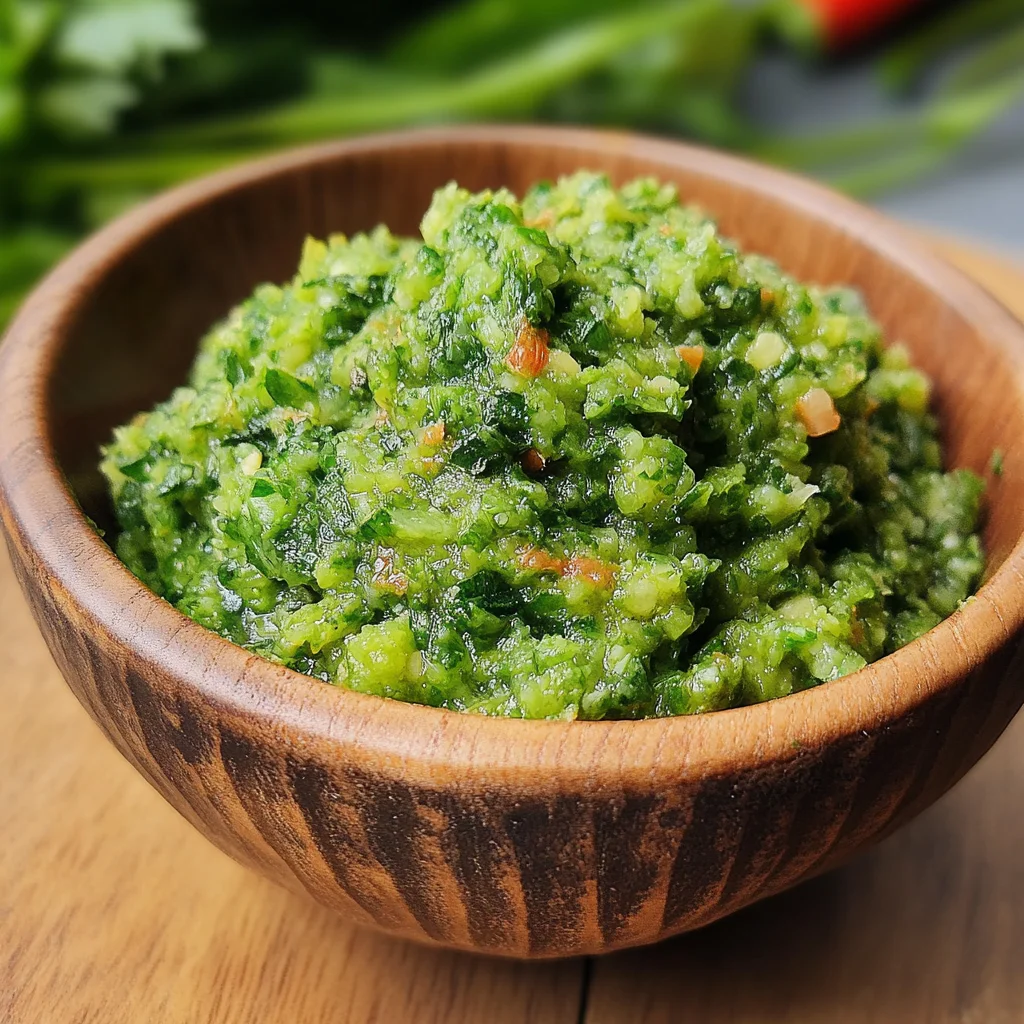
Ingredients:
As we gather our ingredients for this vibrant green seasoning, think about each element as a building block contributing to a beautiful symphony of flavors. Each herb and spice has its own story to tell, enhancing not only the taste but also the aroma that wafts through your home as you cook.
- 12 Chadon Beni (Culantro) leaves. Known for its robust flavor reminiscent of cilantro but more intense, Chadon Beni is often called “long coriander” and plays an essential role in Caribbean cuisine. Look for bright green leaves without any blemishes; they should feel tender yet sturdy. Its unique taste adds an earthy note that forms the backbone of our green seasoning, providing depth that’s truly unforgettable.
- 2 tablespoons Common Thyme (Thymus vulgaris) leaves & stems. Common thyme is like that reliable friend who always knows how to elevate any gathering—its subtle earthiness makes it indispensable in savory dishes. Fresh thyme brings out the best in our other ingredients while adding its characteristic fragrance to our blend. Don’t worry if dried thyme is all you have on hand; just remember that fresh will always yield richer flavors!
- 2 whole Green Onions or Scallions (bulbs & leaves). These bright green beauties add sweetness and freshness, creating balance within our herbaceous mixture. When shopping for scallions, choose those with firm white bulbs and vibrant green tops—they should feel crisp to the touch. Their mild onion flavor lends itself beautifully to marinades and sauces alike.
- 2 stalks Chinese Celery (leaves & stalks). Often overlooked, Chinese celery packs a punch with its stronger flavor compared to regular celery! It’s perfect for adding complexity without overpowering other elements. When selecting celery stalks, look for ones that are crisp and fragrant; those little leaves contain so much flavor!
- 1/4 cup Sweet Basil leaves. The sweet aroma of basil fills my heart with warmth—it’s like summer captured in a leaf! This herb complements our other ingredients perfectly while bringing its unique sweetness to the mix. Always choose fresh basil over dried when possible; it can transform your seasoning from good to extraordinary in one simple step.
- 1/4 cup Parsley leaves & stems. Often considered just a garnish, parsley deserves its moment in the spotlight here! Its bright notes help lift heavier flavors while adding a subtle freshness that balances everything beautifully. Look for deep green leaves free from yellowing—this ensures you’re getting all those delightful nutrients packed within.
- 2 tablespoons Broad Leaf or Spanish Thyme leaves. This variant has an aromatic profile distinct from common thyme—it’s slightly more pungent and adds layers upon layers of flavor complexity! If you can find it at specialty markets or grow it yourself at home, trust me—it’s worth every effort!
- 2 tablespoons Tarragon leaves and stems. With its slightly sweet anise-like flavor, tarragon introduces an unexpected twist that elevates our green seasoning beyond ordinary expectations! This herb thrives best when used fresh—just be cautious not to overwhelm your mixture; a little goes a long way!
- 10 Large Seasoning Peppers (with or without seeds). These small but mighty peppers are essential for adding heat without being overly spicy! They provide warmth rather than burn—and their vibrant color enhances visual appeal too! If you prefer less heat (or have young ones around), seed them out carefully before blending!
- 1 Bulb Garlic. Garlic is perhaps one of life’s greatest gifts—it adds richness while providing an aromatic base note throughout the entire blend! Use fresh garlic whenever possible; check for plump cloves free from sprouting (those little green shoots) which can introduce bitterness.
- 1 Small Onion. Just like garlic, onions introduce depth and sweetness—perfectly complementing all these fresh herbs! Choose firm onions free from soft spots; they’ll enhance our final product immensely!
- 50 – 70 ml liquid choice: Water or Lemon/Lime Juice or Apple Cider/White Vinegar/Cooking Oil. The choice here matters significantly; water keeps things mellow if using immediately while lemon juice or vinegar brings acidity—a non-negotiable aspect needed when marinating proteins! If storing longer term? Oil helps preserve freshness beautifully!
- 1-2 Scotch Bonnet Peppers (with seeds will be spicier). These peppers are iconic within Caribbean cooking—introducing fiery heat balanced perfectly by their fruity undertones! Handle them carefully; wearing gloves may help avoid irritation during prep time.
- 2 tablespoons Fresh Ginger. Ginger adds warmth—a zingy brightness elevating all components harmoniously together while also aiding digestion! Selecting plump roots packed full of flavor ensures optimal results here!
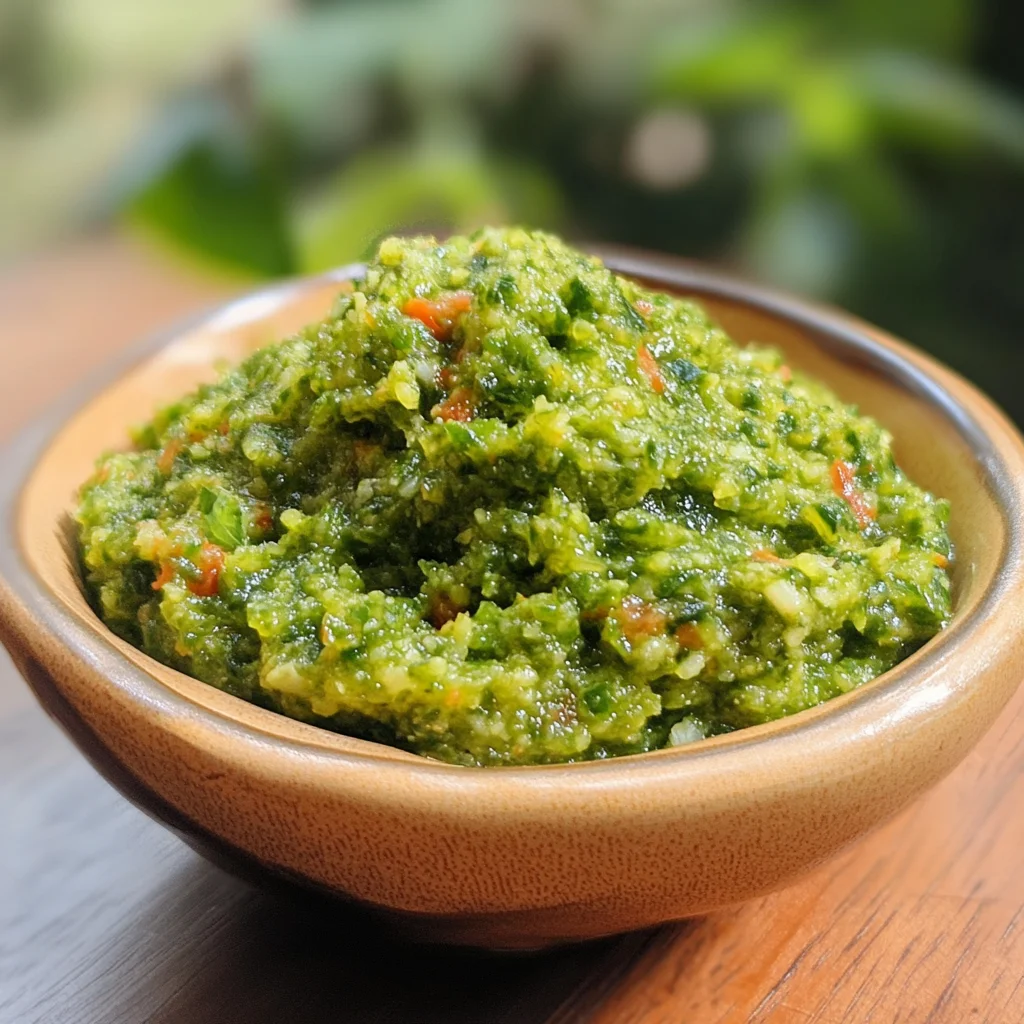
Equipment You’ll Need:
Before we dive into preparing this delightful concoction, let’s take a moment to ensure we have all our tools ready at hand because having the right equipment makes everything smoother—and dare I say—more enjoyable? Think of these tools as essential partners working alongside us in crafting something wonderful.
- Blender/Food Processor/Mini Chopper: This gadget is crucial since it combines all those glorious ingredients into one cohesive paste! A high-speed blender works wonders here—but even if you have only access to basic models—don’t worry—you can still achieve great results though it may take longer!
- Knife & Cutting Board: A sturdy knife makes chopping herbs easier while ensuring safety during prep time—the sharper they are—the less force required which keeps fingers safely away from harm’s way!
- Measuring Cups/Spoons: Accurate measurements yield consistent results each time—you want your blend just right after all! Invest in quality measuring tools—they’ll serve many purposes beyond this recipe alone.
Step 1: Gather Your Ingredients
The first step might seem simple but trust me—it sets everything else up for success! Start by washing each herb thoroughly under cold running water—this process removes dirt particles lingering on their surfaces ensuring nothing gets left behind during blending later on down the line—nobody wants grit spoiling their delightful creation now do they? Next comes peeling both garlic cloves along with onion skins—you want these flavorful gems exposed before moving forward so they meld beautifully together during mixing!
Step 2: Prepare Your Peppers
Now we’re entering spicy territory—the beauty lies within balancing flavors perfectly here so let’s focus on those chili peppers next! Depending on your spice tolerance level—you might consider removing seeds from Scotch Bonnet peppers first before chopping them roughly into smaller pieces too—it can reduce overall heat intensity though retains most delicious essence intact when blended later on—but do keep some seeds if you’re feeling adventurous today!
Step 3: Chop It Up!
Next up comes chopping—all those vibrant greens need some love too! Roughly chop everything—including culantro leaves down into manageable chunks along side scallions/celery/basil etc.—the goal isn’t perfection but rather making sure every ingredient fits comfortably within our blender bowl ensuring smooth integration later on without any fuss whatsoever—this allows flavors infuse harmoniously whilst blending away effortlessly soon enough!
Step 4: Blend It All Together
Okay friends—we’re nearing blissful completion here now don’t rush this step because how we combine matters greatly towards achieving desired consistency afterward too; begin by placing chopped heaven straight into either blender/food processor then slowly add preferred liquid gradually increasing speed until everything transforms into silky unison—don’t panic if texture varies—that’s totally normal depending upon personal preference whether thick paste/purée/liquefied state desired ultimately—it remains YOUR creation after all which means YOU get say over end result achieved here today together thus far!
Now that we’ve set ourselves up for success through careful preparation combined with attention-to-detail steps taken—it’ll soon become clear how managing these elements leads us toward crafting something incredibly satisfying each time we reach back out towards familiar jar sitting proudly inside fridge awaiting next culinary adventure ahead…
How to Make Green Seasoning
Creating your own green seasoning is not just a culinary endeavor; it’s a beautiful journey into the heart of Caribbean flavors. The aroma of fresh herbs—oh my goodness, it’s simply intoxicating! As you blend together this vibrant mixture, you’ll feel as if you’re capturing the essence of Trinidad and Tobago right in your kitchen. Trust me, once you’ve made this aromatic paste, you’ll wonder how you ever cooked without it. This green seasoning isn’t just a recipe; it’s an invitation to infuse your dishes with layers of flavor that are utterly extraordinary.
Step 5: Roughly Chop Your Ingredients
Now that everything is washed and prepped, it’s time to turn our attention to chopping! Taking each ingredient and roughly chopping it is crucial because it helps create a uniform blend when we get to the blending stage. I like to envision this step as bringing together all the individual voices of our herb symphony—each chop releases their unique oils and flavors, setting the stage for an incredible fusion. As you chop, let your senses guide you; notice how the aroma of garlic becomes more pronounced, or how the bright scent of cilantro fills the air. This sensory engagement is important because it starts to build excitement for what’s coming next!
Don’t worry about making perfectly uniform pieces; we’re going for a rustic feel here. Just aim for smaller chunks that will easily fit into your blender or food processor. Keep an eye on the amount of heat from those seasoning peppers—if you prefer a milder taste, opt to remove some seeds during this step. The goal is to capture the essence of each ingredient while allowing them to meld beautifully in the blender later on.
Step 6: Place Everything in Your Blender
With your ingredients chopped and ready, it’s time for the magic to happen! Carefully transfer all those fragrant herbs, zesty onions, and fiery peppers into your blender or food processor. This step is where we begin creating that luscious green mixture that will elevate all your dishes. Don’t rush this part; arrange them in such a way that allows for even blending. Layering could help if you’re using tougher items like garlic at the bottom and softer herbs on top.
Here’s an essential tip: add your liquid of choice right before blending! Water will work wonders if you’re looking for immediate use; however, if you want something with staying power and added flavor, consider lemon juice or vinegar. These acidic liquids not only enhance taste but also help preserve freshness—this is absolutely paramount when creating something meant to last in your fridge for weeks.
Step 7: Blend Until Smooth
Now comes one of my favorite parts—the blending! As you start pulsing the ingredients together, watch as they transform from chunky bits into a vibrant paste bursting with color and aroma. Start at a low speed and gradually increase until everything is well combined into a smooth consistency that suits your preference. Are you feeling adventurous? If so, leave some texture for those delightful little bursts of flavor when cooking!
You might find yourself needing to stop occasionally to scrape down the sides with a spatula—don’t skip this step! It ensures every last bit gets incorporated into this glorious concoction we’re creating. Blending serves not only to combine flavors but also releases essential oils from herbs that create depth in every bite you’ll soon enjoy. When done correctly, you’ll have a mixture that’s velvety yet substantial enough to cling beautifully to whatever dish you’re preparing.
Step 8: Adjusting Texture and Flavor
Once blended, take a moment to assess both texture and flavor—it’s an important checkpoint in our journey towards perfect green seasoning! If you find that it’s too thick for your liking or needs more brightness from acidity, now is the time to adjust by adding additional liquid carefully while blending again. Remember—you want it versatile enough for various culinary uses!
As with any great recipe, tasting as you go is key! Dip a clean spoon into your shimmering green paste (this is where hygiene matters immensely!) and give it a gentle taste test—it should sing with freshness while having balanced herbal notes without one overpowering another. Trust me on this: achieving that harmony makes all the difference when using it later on in marinating meats or enhancing soups.
Conclusion:
As we wrap up this flavorful journey through making Green Seasoning, I hope you’re as excited about incorporating this zesty blend into your kitchen as I am! It’s truly special because each ingredient plays its part in creating a symphony of tastes that will elevate any dish from ordinary to extraordinary. The freshness of herbs dancing with spices creates an utterly intoxicating aroma that fills your home with warmth and excitement. Every time I blend up a new batch, I’m reminded of my childhood days spent in my grandmother’s kitchen—the essence of love infused in every meal.
This recipe is not just about taste; it embodies the joy of cooking and sharing meals with loved ones. Whether it’s drizzled over grilled vegetables, used as a marinade for tofu or chicken substitutes, or stirred into soups and stews for an explosion of flavor, Green Seasoning shines on many occasions—from casual weeknight dinners to festive gatherings where friends and family come together around the table. Picture it: lifting off the lid from a warm stew simmered with this herbaceous blend—it’s comfort food at its finest!
When it comes to serving suggestions, imagine savoring one spoonful alongside roasted sweet potatoes or stirring it into a creamy coconut curry—each bite bursting with flavor! For an afternoon pick-me-up? Drizzle some over fresh salads adorned with grilled veggies for a refreshing twist that will leave everyone asking for seconds. Or perhaps pair it with homemade flatbreads brushed lightly with olive oil—this pairing creates an experience that’s both simple yet profoundly satisfying.
Feeling adventurous? This recipe is wonderfully adaptable; swap out certain herbs based on what’s seasonal at your local market or add extra heat by including different varieties of peppers! You could even experiment by blending in some citrus zest for an unexpected zing that dances on your palate. The possibilities are endless! So go ahead—try making this incredible Green Seasoning, share it with friends and family, and let them fall in love with its vibrant flavors just like I did years ago! Let’s keep the spirit of Trinidad alive in our kitchens together!
How to make Green Seasoning
Unlock the vibrant flavors of the Caribbean right in your kitchen with this homemade Green Seasoning! This aromatic herb blend is essential for infusing any dish with a burst of freshness and complexity. Whether you’re marinating chicken, enhancing soups, or adding a zesty kick to roasted vegetables, this versatile seasoning paste elevates every meal. With ingredients like fresh herbs, aromatic spices, and just the right amount of heat from peppers, making your own Green Seasoning not only enriches your culinary repertoire but also invites a taste of Trinidad and Tobago into your home.
- Prep Time: 15 minutes
- Cook Time: N/A
- Total Time: 0 hours
- Yield: Approximately 10 servings 1x
- Category: Condiment
- Method: Blending
- Cuisine: Caribbean
Ingredients
- 12 Chadon Beni (Culantro) leaves
- 2 tablespoons Common Thyme leaves
- 2 whole Green Onions (bulbs & leaves)
- 2 stalks Chinese Celery (leaves & stalks)
- 1/4 cup Sweet Basil leaves
- 1/4 cup Parsley leaves
- 10 Large Seasoning Peppers
- 1 Bulb Garlic
- 1 Small Onion
- 50 – 70 ml liquid of choice (Water or Lemon/Lime Juice)
Instructions
- Wash all herbs thoroughly and peel garlic and onion.
- Roughly chop all ingredients to ensure even blending.
- Place chopped ingredients in a blender or food processor.
- Add your chosen liquid to help blend smoothly.
- Blend until you achieve a desired consistency; adjust liquid as needed.
- Transfer the mixture into clean jars and store in the refrigerator.
Nutrition
- Serving Size: 1 serving
- Calories: 5
- Sugar: 0g
- Sodium: 3mg
- Fat: 0g
- Saturated Fat: 0g
- Unsaturated Fat: 0g
- Trans Fat: 0g
- Carbohydrates: 1g
- Fiber: <1g
- Protein: <1g
- Cholesterol: 0mg