Lobster Risotto
There’s something utterly intoxicating about the aroma of sautéing garlic, the gentle simmer of a pot, and the anticipation that fills the air as you prepare a meal that feels luxurious yet comforting. Lobster Risotto is not just a recipe; it’s an experience, a testament to the beauty of simplicity in cooking. Imagine standing in your kitchen, stirring that creamy rice while the rich flavor of lobster envelops you like a warm embrace. I’ve always been captivated by how this dish marries tradition with innovation, crafting a symphony of flavors that transport you straight to the heart of Italy. And trust me, when you serve this Lobster Risotto to friends or family, you’ll feel like you’ve revealed a treasured secret—a delicious bond between loved ones and the joy of sharing good food.
Now, let me take you on this culinary journey where we create a dish that radiates elegance. With each careful step and stir, you’ll discover why Lobster Risotto consistently finds its way onto dinner tables for special occasions or cozy nights in. As you navigate through this recipe, I promise you’ll uncover tips and techniques that transform simple ingredients into something truly extraordinary. So grab your apron and let’s dive into making this creamy masterpiece together—you won’t regret it!
Lobster Risotto: A Creamy Delight That Will Impress
This Lobster Risotto recipe is inspired by the famous Gordon Ramsay Hell’s Kitchen version, and I can assure you it’s worth every minute spent in the kitchen. With its luscious texture and vibrant flavors from fresh ingredients like lobster and aromatic herbs, each bite transports you to a cozy Italian trattoria. The beauty of risotto lies in its technique—the slow stirring allows the starches from Arborio rice to release naturally, resulting in that signature creaminess without needing excessive cream or butter. Trust me on this; once you’ve mastered this dish, it will become a beloved staple in your culinary repertoire.
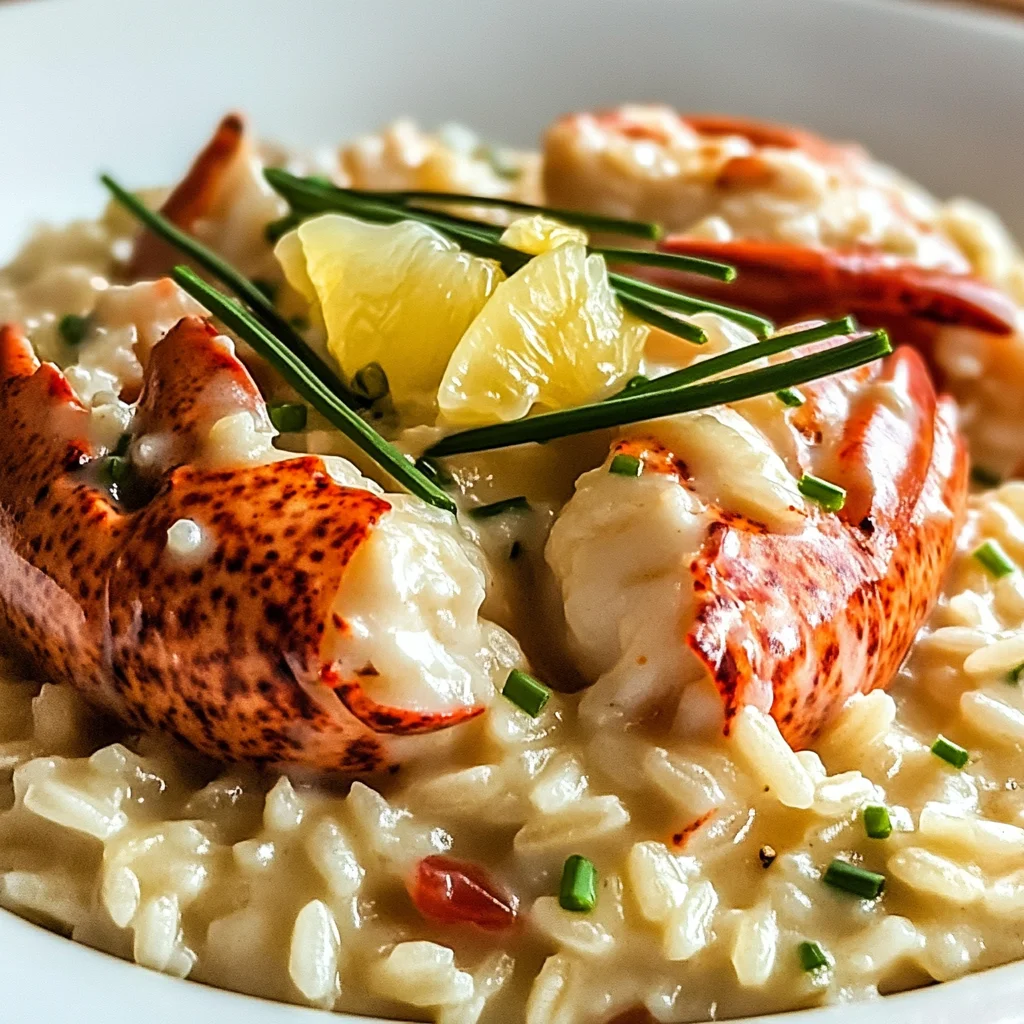
Ingredients:
Embarking on this culinary adventure requires some beautiful ingredients that will make our Lobster Risotto shine like liquid gold on your plate. Each item plays its unique role in creating this delightful symphony of flavors.
- 6 cups water (or 5 cups water/1 cup white grape juice): This is essential for building our flavorful broth, which serves as the base for cooking our risotto. If you’re using white grape juice instead of straight water, it adds a subtle sweetness that complements the richness of lobster beautifully. Just be sure to choose a dry variety—this will enhance rather than overpower our dish.
- 1½ lbs lobster shells (I used 3, 8 oz lobster tails): These beauties are paramount for making an incredible homemade lobster stock! The shells contain so much flavor; simmering them with aromatics creates an intensely flavorful base for your risotto. When selecting lobster tails, look for those with firm flesh and a fresh ocean scent—this ensures you’re getting quality seafood.
- 1 medium onion (peeled and rough chopped): Onions are foundational to countless dishes because they provide depth and sweetness as they cook down. Roughly chopping them helps release their natural sugars more quickly during cooking while ensuring they blend seamlessly into our risotto later on.
- 1 carrot (sliced): Carrots add both sweetness and color to our stock. Their vibrant hue brightens up the dish while infusing it with earthy flavors. Opt for fresh carrots with smooth skin—those are typically more flavorful than their older counterparts.
- 1 rib celery (sliced): Celery contributes crunchiness and aromatic notes to our stock. Like onions and carrots, it’s part of what we call mirepoix—a classic French combination that forms the backbone of many stocks and soups.
- 1 tomato (chopped or use an 8 oz can crushed or diced tomatoes): Tomatoes lend acidity which beautifully balances the richness of lobster and buttery risotto. Fresh tomatoes work well when they’re in season; otherwise, canned tomatoes are perfectly acceptable too—they’re often picked at peak ripeness!
- 1 bay leaf: This herb is crucial for adding herbal depth to our stock without overpowering other flavors—just remember to remove it after cooking!
- Salt & pepper (to taste): Seasoning is key at every stage of cooking! Using salt enhances flavors while pepper provides warmth; always taste as you go along.
- 1 Tbsp olive oil (extra virgin): A splash of high-quality extra virgin olive oil not only adds richness but also helps sauté our aromatics beautifully without burning them—a non-negotiable step for building flavor!
- 1 Tbsp shallots (or white onion – minced): Shallots bring a milder onion flavor with hints of garlic—perfect for creating layers within our risotto without overwhelming it.
- 2 cloves garlic (minced): Ahh, garlic—the aromatic superstar! It infuses everything with warmth and depth; don’t rush this step as properly sautéed garlic mellows out beautifully when cooked gently.
- 1½ cups Arborio rice: The star player here! Arborio rice is high in amylopectin starch which gives us that creamy consistency we crave in risotto—never substitute with regular rice as it won’t yield the same results!
- ¼ cup white grape juice (dry): This adds brightness and acidity during cooking—just ensure it’s dry so you’re not adding unwanted sweetness!
- 4 cups lobster stock: The heart of our risotto! Homemade stock made from boiling those lovely lobster shells will elevate this dish from ordinary to extraordinary—it’s where all those rich flavors come together.
- Diced lobster meat (reserved from lobster stock): This is what we’re after—the succulent meat from your lobsters! It should be sweet and tender; fold it into your risotto at just the right moment so it warms through but doesn’t overcook.
- 2 Tbsp butter (more as needed): Butter brings richness; feel free to adjust based on how decadent you want your final dish to be—it’s all about balance!
- 2 Tbsp mascarpone cheese (or 4 tablespoons cream cheese): Mascarpone enriches our risotto into something truly decadent without being overly heavy; if unavailable, cream cheese works well too!
- Zest of 1 whole lemon: Zest brightens up all those rich flavors—don’t skip it! It adds an aromatic lift that keeps everything feeling fresh.
- Salt & pepper (to taste): Again, remember seasoning well throughout ensures every bite sings!
- 2 Tbsp chives (fresh, chopped): Chives add freshness—I love their mild onion flavor paired with seafood! Plus they create such a lovely pop of color over finished plates.
- Parmigiano cheese (shaved): The finishing touch! Parmigiano-Reggiano adds depth while giving off nutty notes—always shave it fresh from a wedge for maximum flavor impact.
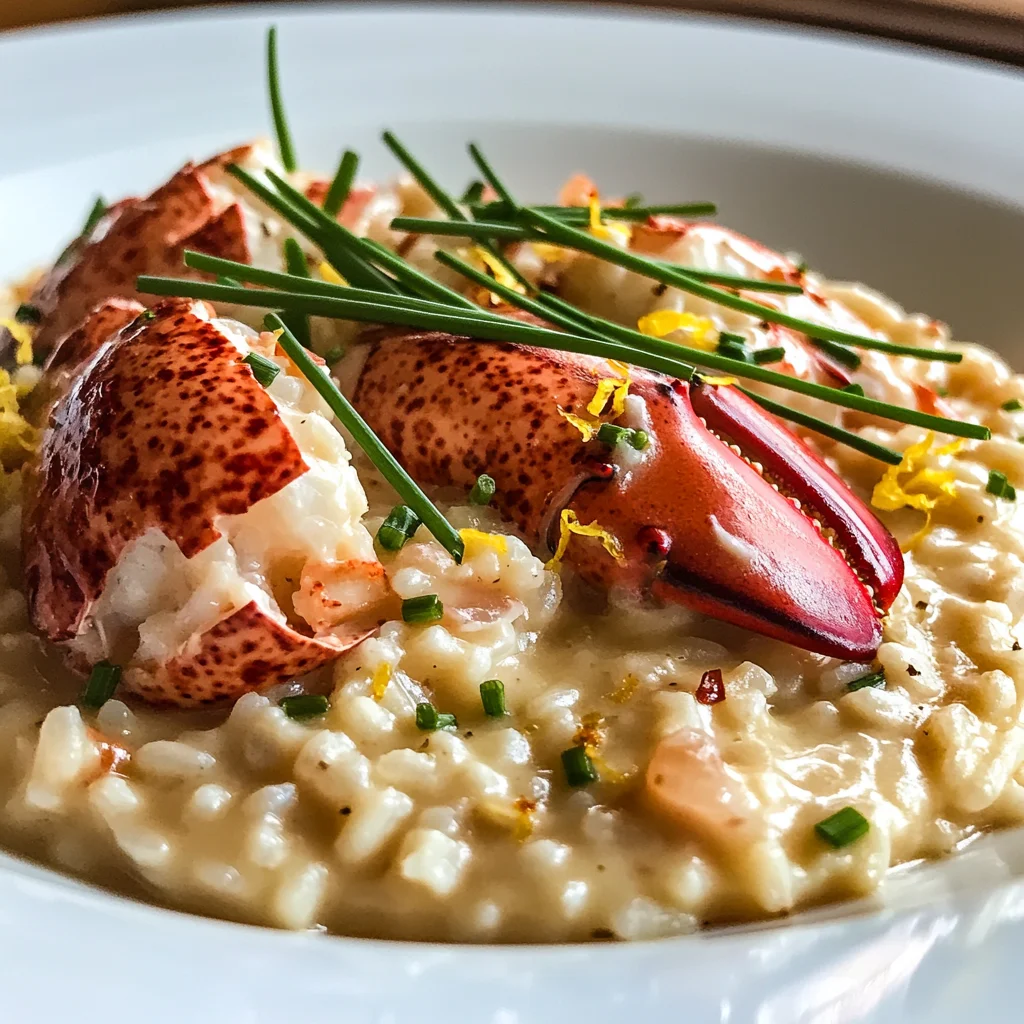
Equipment You’ll Need:
Before we dive into preparing our Lobster Risotto, it’s essential to gather some trusty kitchen tools that’ll make this process smoother and even more enjoyable. While these may not be ingredients, having them at hand means you’ll have better control over your cooking adventure!
- Large Stockpot – A sturdy pot is critical for simmering your stock as well as preparing your risotto—it needs enough space to allow bubbling without boiling over. Choose one that’s heavy-bottomed; this prevents hot spots which could scorch delicate ingredients like garlic or onions while sautéing.
- Wooden Spoon – Invest in a good wooden spoon—it’s perfect for stirring because it won’t scratch non-stick surfaces nor conduct heat like metal can! Plus there’s something satisfying about stirring with wood—it feels more personal somehow!
- Ladle – A ladle is essential for serving up portions seamlessly while ensuring everyone gets just the right amount of creamy goodness without making any messes along the way!
- Measuring Cups & Spoons – Precision matters here! Accurate measurements keep everything balanced throughout so investing in good measuring tools ensures consistent results every time.
Now that we’ve gathered all these wonderful ingredients and tools let’s start preparing our Lobster Risotto—the process is just as delightful as enjoying every bite!
Step 1: Creating Flavorful Stock
First things first—we need to create that luscious lobster stock that’s going to form the backbone of our dish! Begin by placing those beautiful lobster shells into a large pot along with 6 cups water (or if you’re adventurous today—a mix of 5 cups water and 1 cup white grape juice!). Toss in your rough-chopped onion, sliced carrot, celery rib, chopped tomato or canned equivalent—and don’t forget that bay leaf! Bring everything up to a gentle boil before reducing heat to low so it simmers happily away for about 30 minutes. During this time magic happens—the shells release their essence into the liquid creating an incredibly fragrant broth full of oceanic goodness. Trust me on this step; by taking time here you’ll elevate your entire dish beyond what you’d ever expect from just basic ingredients alone.
Step 2: Sautéing Aromatics
Once you’ve created your stock masterpiece—strain out all solids leaving behind nothing but liquid gold—and set aside while keeping warm on low heat nearby since we’ll need it soon enough! Now let’s turn attention back towards building layers within our risotto itself starting off by heating up olive oil over medium heat inside another large pot or deep skillet until shimmering but not smoking—that’s crucial because burnt oil can ruin delicate flavors quickly! As soon as it’s shimmering beautifully sprinkle in minced shallots followed closely by minced garlic allowing both aromatics’ sweet scents fill every corner around you—you’ll want these sautéed gently until softened but not browned—that typically takes around three minutes total if done right so keep an eye out here while stirring often enough too!
Step 3: Toasting Arborio Rice
Next comes one of my favorite steps—adding in Arborio rice! Pour those grains directly into your pot filled with aromatic goodness soaking them up immediately while stirring constantly—a technique known as toasting. This step takes roughly two minutes but building additional layers here transforms ordinary grains into something extraordinary—they’ll absorb moisture better throughout cooking resulting ultimately leading us toward perfectly creamy results later down line so please don’t rush through this part either—it’s absolutely paramount!
Step 4: Incorporating Liquid Gradually
Now it’s time—we’re ready now—to begin incorporating liquid gradually starting off slowly pouring about half cup warm strained lobster stock directly onto rice mixture allowing grains soak up flavors while continuing stir continuously—you want each grain coated nicely ensuring no clumps form together during process either simply ideal consistency achieved through patience alone here folks! Repeat adding additional half cups one-by-one waiting until most has been absorbed before adding next portion until remaining stock has been utilized entirely which usually takes around twenty minutes total depending upon stovetop temperature maintained ideally throughout entire process too… Keep tasting regularly adjusting seasoning along way trusting instincts until achieving desired tenderness level achieved perfectly… Ahhh blissful aromas fill kitchen already indicating success ahead!
Let’s pause here before getting too carried away—I can’t wait for us both finish off making glorious Lobster Risotto together soon but remember every single detail counts toward achieving best possible outcome ensuring satisfaction found within each mouthful enjoyed later on… So please stay tuned everyone—we’re almost there!
Step 5: Crafting the Aromatic Base
Now that you have your lobster stock simmering beautifully, it’s time to build a robust flavor foundation for your Lobster Risotto. In a separate large saucepan, heat the extra virgin olive oil over medium heat. Once the oil shimmers like liquid gold, add in your minced shallots (or white onion) and garlic, letting their aromas fill the kitchen. This step is absolutely paramount because the gentle sautéing of these aromatics releases essential oils that will infuse your dish with a fragrant undertone. You’ll want to stir them for about 2-3 minutes until they become translucent but not browned—browning can lead to bitterness, and we definitely don’t want that!
Next, introduce the Arborio rice into this aromatic mix. Stir it in for about 1-2 minutes until each grain is coated with that luscious oil and begins to toast slightly; trust me on this one! This technique, known as toasting, is crucial because it helps develop a nutty flavor in your risotto while also creating a protective barrier around each grain of rice. It ensures that when we add our liquids later on, the rice will absorb them gradually, resulting in that creamy consistency we all dream of. As you stir, you’ll notice the rice becoming slightly more opaque—this is exactly what you want!
Step 6: The Art of Gradual Liquid Addition
Now comes one of my favorite parts—the slow dance of adding liquid! Start by pouring in your dry white grape juice; if you’ve chosen to use more than ¼ cup, even better! This step not only enhances the flavor but adds a delightful touch of sweetness that complements the savory lobster perfectly. Stir continuously as the liquid reduces; you’ll hear that satisfying sound as it bubbles away and gets absorbed by those eager grains of rice. This process takes about 4-5 minutes.
Once most of the grape juice has evaporated, it’s time to introduce your first ladleful of warm lobster stock—this is where we begin coaxing out that classic risotto creaminess! Keep stirring at this stage; I promise you it’s worth every second. The key here is patience—allow each addition of stock to be absorbed before adding more. This gradual incorporation is what transforms ordinary Arborio rice into an enchanting creamy risotto. Aim for a medium-low heat so that everything simmers gently; too high might cause the risotto to cook unevenly or stick to the bottom. Continue this process for about 18-20 minutes until the rice reaches an al dente texture—that perfect bite where it’s tender yet maintains a bit of firmness.
Step 7: Adding Lobster Love
Once your risotto has reached that dreamy consistency, it’s time to fold in our star ingredient: the diced lobster meat! First, take a moment to appreciate how far you’ve come—your kitchen should now be enveloped in an utterly intoxicating aroma that promises deliciousness ahead! Gently stir in the reserved lobster meat along with another ladleful of stock if needed; this allows the lobster flavors to meld beautifully with the creamy risotto without overcooking it. Remember, we want those succulent pieces of lobster to remain tender and juicy—they are delicate treasures after all!
Incorporate those fluffy dollops of mascarpone cheese (or cream cheese if that’s what you’re using) into the risotto now too; this addition will elevate your dish further into a realm of richness that’s simply divine. As you mix everything together, watch as the cheese melts and coats each grain; this step creates an even smoother texture while adding depth and complexity to your dish. You might find yourself sneaking bites during this stage—it’s hard not to when it looks so enticing!
Step 8: The Finishing Touches
As we approach the finish line with our Lobster Risotto, it’s time for some final touches that will take this dish from extraordinary to truly spectacular! First and foremost, zest one whole lemon directly into your pot; this bright burst of citrus will awaken all those lush flavors you’ve worked so hard on crafting. Lemon zest adds a lively freshness and balances out richness—a non-negotiable detail if you ask me!
Next up, season with salt and pepper according to your taste preference—the beauty of cooking lies in personalizing each dish! Give everything a final gentle stir before allowing your risotto to rest off the heat for about 2-3 minutes; yes, patience again! Resting allows flavors to settle down and deepen while ensuring that beautiful creaminess stays intact without becoming overly thick or gluey during serving. When you’re ready to plate up, garnish with freshly chopped chives and shaved Parmigiano cheese for an elegant finish—a feast for both eyes and palate!
Final Touches: Plating Your Masterpiece
As you scoop generous portions onto plates or into bowls—whatever speaks comfort food to you—take pride in what you’ve created because this Lobster Risotto is not just food; it’s love served on a plate! Each spoonful should evoke warmth and satisfaction as those tender grains blend harmoniously with luscious lobster meat under a blanket of creamy goodness.
Serve immediately while still hot, letting everyone dive into their bowls while enjoying its comforting aroma wafting through the air. I can’t emphasize enough how profoundly satisfying it feels when friends or family take their first bite—it’s like sharing little nuggets of happiness with those you cherish most! So go ahead—enjoy every moment spent making (and eating!) this incredible dish; I promise you’ll create memories alongside delicious flavors that will last long after dinner is done!
Storage and Enjoyment Tips for Your Lobster Risotto
Now that your creamy lobster risotto is ready to tantalize your taste buds, let’s talk about how to savor every last bite of this culinary masterpiece! One of the things I adore about this dish is its versatility—not only is it fabulous on the night you make it, but with a few simple steps, you can enjoy it later too. Trust me when I say, there’s something incredibly comforting about knowing you have a delicious meal waiting for you in the fridge or freezer for those busy nights when cooking feels overwhelming.
Storing Leftover Lobster Risotto
When it comes to preserving your leftover lobster risotto, the right container makes all the difference! Opt for an airtight glass or plastic container; this will keep your dish fresh and prevent any unwanted odors from mingling in your refrigerator. Your risotto can be stored safely in the fridge for up to three days—though I promise you, it won’t last that long because it’s just too irresistible! To maintain its creamy texture and flavor, consider placing a slice of bread on top before sealing; it acts as a moisture shield. When reheating, gently warm it on the stovetop over low heat, adding a splash of vegetable broth or water to bring back that luscious consistency. The flavors may deepen after a day in the fridge, making each bite an utterly delightful experience!
Freezing Lobster Risotto for Later
If you’re looking to savor your lobster risotto even further into the future, freezing it is an excellent option! To freeze properly, ensure your risotto has cooled completely before transferring it into a freezer-safe container or heavy-duty freezer bag—removing as much air as possible will help avoid freezer burn. This beloved dish can hold up beautifully in the freezer for up to three months. When you’re ready to enjoy it again, simply thaw overnight in the refrigerator before reheating gently on the stovetop. The convenience of having this luxurious dish at your fingertips is truly a game-changer—it transforms impromptu dinner parties or cozy nights at home into effortless celebrations of flavor!
So whether you’re enjoying it fresh off the stove or indulging in its comforting embrace from leftovers, I hope these tips inspire you to relish every moment spent with your lobster risotto!
Lobster Risotto

Lobster Risotto is a luxurious yet comforting dish that transforms simple ingredients into an exquisite culinary experience. Infused with the rich flavors of homemade lobster stock, creamy Arborio rice, and tender lobster meat, this recipe captures the essence of Italian cuisine right in your kitchen. As you stir the pot, the aromas of sautéed garlic and shallots fill the air, creating a warm atmosphere perfect for sharing with friends or family. Whether it’s a special occasion or a cozy night in, this Lobster Risotto promises to impress with its elegant flavors and creamy texture. Get ready to indulge in this delightful dish that’s as satisfying to prepare as it is to savor.
- Prep Time: 15 minutes
- Cook Time: 45 minutes
- Total Time: 1 hour
- Yield: Serves approximately 4
- Category: Main
- Method: Simmering
- Cuisine: Italian
Ingredients
- 6 cups water (or 5 cups water/1 cup dry white grape juice)
- 1½ lbs lobster shells (or 3 lobster tails)
- 1 medium onion (roughly chopped)
- 1 carrot (sliced)
- 1 rib celery (sliced)
- 1 tomato (chopped or canned)
- 2 cloves garlic (minced)
- 1½ cups Arborio rice
- 4 cups homemade lobster stock
- Diced lobster meat (from shells)
- 2 Tbsp butter
- Zest of 1 lemon
- Salt & pepper (to taste)
- Fresh chives and shaved Parmigiano cheese for garnish
Instructions
- Start by making lobster stock: simmer lobster shells with water or grape juice, onion, carrot, celery, tomato, and bay leaf for about 30 minutes. Strain and keep warm.
- In a large saucepan, heat olive oil over medium heat. Sauté minced shallots and garlic until translucent.
- Add Arborio rice and toast for about 2 minutes, stirring constantly.
- Gradually add warm lobster stock one ladle at a time, stirring continuously until absorbed before adding more.
- After about 18-20 minutes, when rice is al dente, fold in diced lobster meat, butter, mascarpone cheese, and lemon zest.
- Season with salt and pepper; garnish with chives and Parmigiano cheese before serving.
Nutrition
- Serving Size: 1 cup (250g)
- Calories: 530
- Sugar: 4g
- Sodium: 600mg
- Fat: 23g
- Saturated Fat: 10g
- Unsaturated Fat: 11g
- Trans Fat: 0g
- Carbohydrates: 60g
- Fiber: 3g
- Protein: 22g
- Cholesterol: 70mg